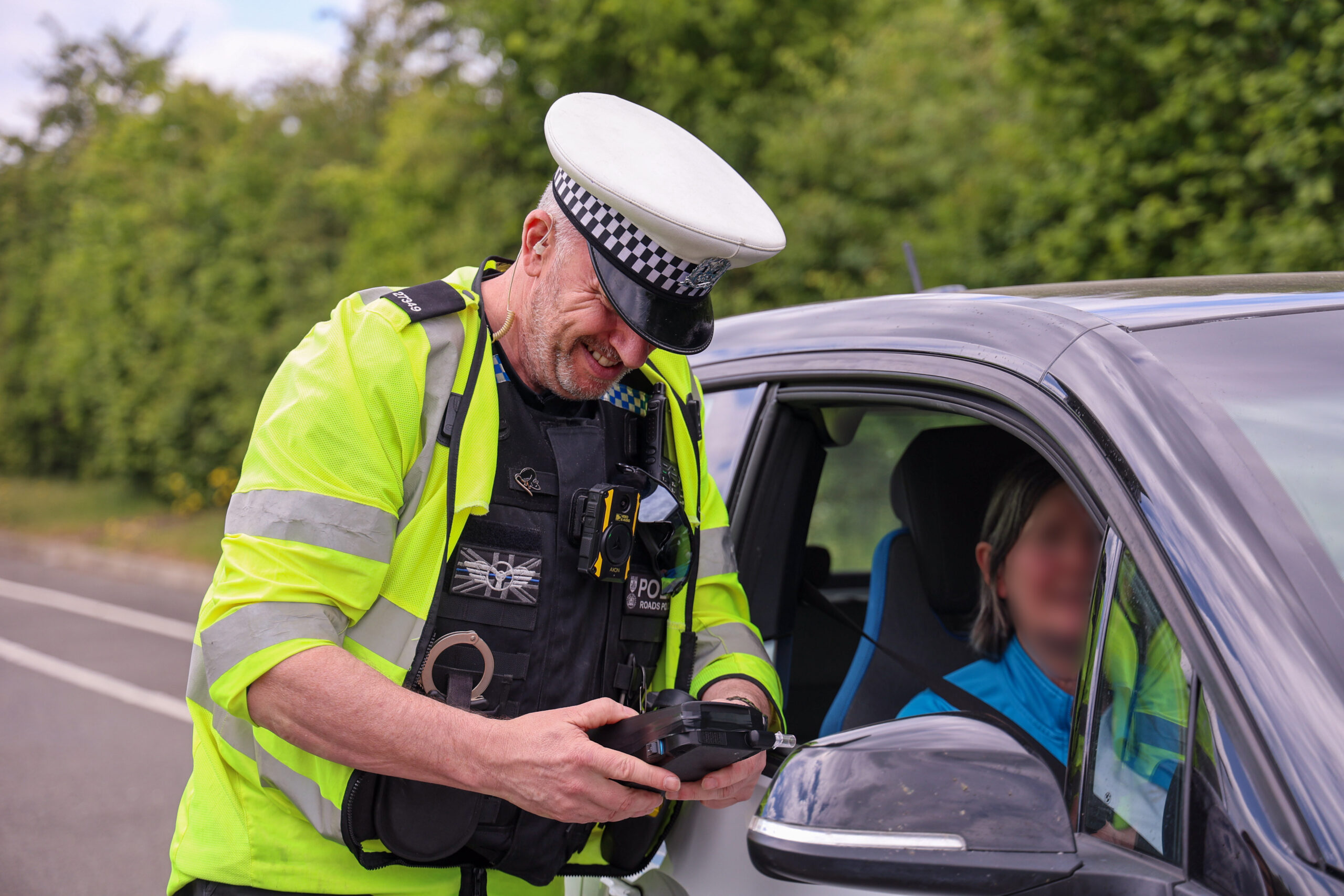
PCC proud to see Hampshire host world’s first ‘laughing gas’ breathalyser trial
14 May 2026
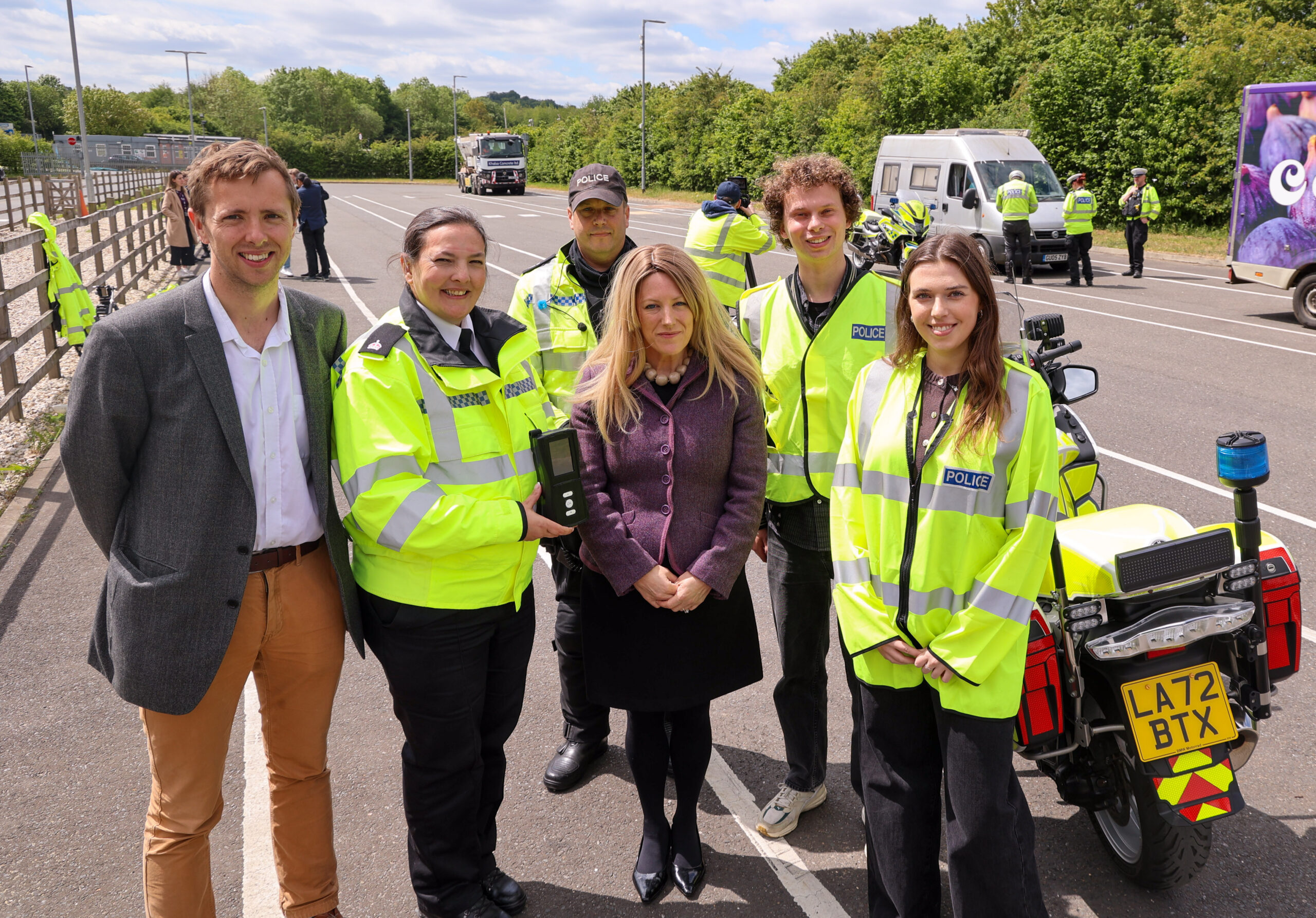
A cutting-edge nitrous oxide breathalyser, believed to be the first of its kind in the world, is being trialled by police in Hampshire and the Thames Valley in a ground-breaking trial.
The innovative device is being tested by our officers to see if it can be used to detect if a driver is under the influence of this harmful drug. If successful, this could lead to these motorists to be prosecuted for drug driving offences.
Nitrous oxide, also known as ‘laughing gas’ or NOS, is a Class C drug under the Misuse of Drugs Act 1971, and offenders could serve up to two years in prison for possessing it for unlawful use.
Driving under the influence of nitrous oxide is an emerging threat to the safety of motorists on our roads. Its use can cause unconsciousness and even neurological damage or death from suffocation of the oxygen supply to the brain.
Police and Crime Commissioner Donna Jones added: “It is an honour for our Force to host the world-first trial of this breathalyser device and adds an important extra tool to combat dangerous drivers for our Joint Operations Roads Policing Unit.
“There is a worrying trend around the use of laughing gas by those aged 16-25, which was previously undetectable, with drivers under the influence of nitrous oxide putting themselves and others at risk of serious injury or death.
“We are seeing too many incidents with major consequences on our roads, and it is a proud moment for Hampshire and Isle of Wight Constabulary and Thames Valley Police to lead the way for the rest of the country, and the rest of the world, in tackling this.
“One person’s actions behind the wheel can have a devastating impact in a split second, which is why I am focused on supporting road safety projects and proactive roads policing like this, to ensure our two counties have safer roads for everyone.”
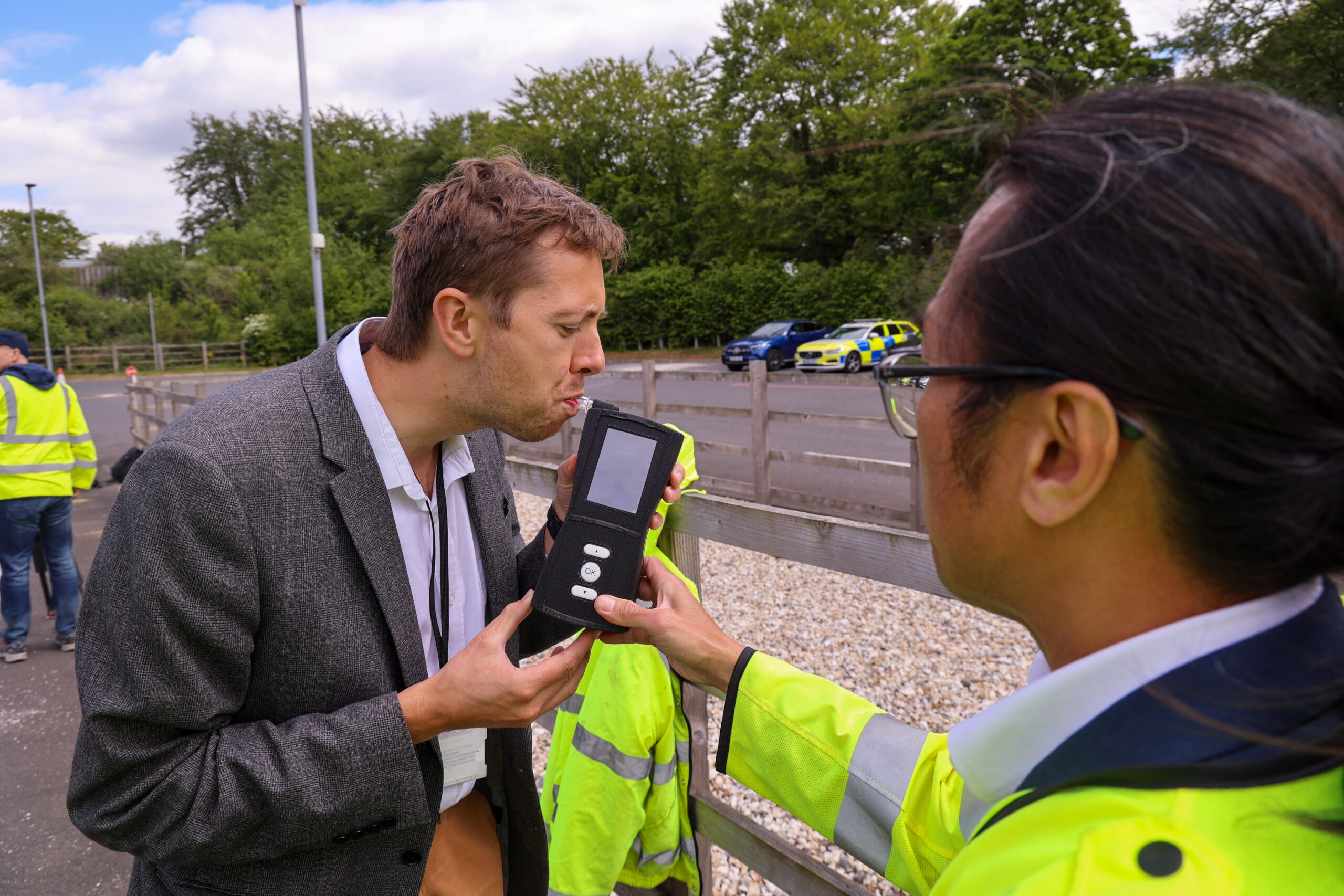
The device, created by Respira Technologies following research at the Vrije Universteit Amsterdam, is believed to be one-of-a-kind. A user can simply breathe out into the portable device and receive a test result within minutes. Crucially, it can detect if a user has inhaled nitrous oxide up to two hours afterwards.
Tragically, officers from the Joint Operations Unit have already seen deaths connected to drivers who were under the influence of NOS.
In one of these cases, three teenage boys were killed when they were passengers in a car that crashed into a tree along the A415 in Oxfordshire in 2023. The 18-year-old driver was filmed inhaling laughing gas behind the wheel just moments before the crash.
Thomas Johnson was travelling at speeds of up to 100mph before his car hit a tree in the village of Marcham, killing passengers Ethan Goddard, Daniel Hancock, both 18, and Elliot Pullen, 17.
Acting Superintendent Emma Hart, of the Joint Operations Roads Policing Unit of Hampshire & Isle of Wight Constabulary and Thames Valley Police, said: “There is currently no device available that can prove a driver inhaled laughing gas, making prosecution difficult. That is why our forces are leading this testing phase, to break new ground and prove these devices can help save lives on our roads.
“As a team we are always looking for new ways to make our roads safer. Nitrous oxide is a growing issue, especially with young drivers who don’t understand the harm it can cause, so when we saw the opportunity to test this new technology we knew how important it could be towards these devices being rolled out across the country.
“It’s an extremely important technological innovation and we are at the forefront of this cutting-edge research for the benefit of all UK policing.”
Our forces successfully secured Test and Learn funding through the National Science and Innovation Board, part of the NPCC Science and Technology Strategy. This funding is available to ensure policing in the UK can utilise the latest advances in science and technology to improve crime prevention and detection, and provide the best service to safeguard victims. Officers across the two forces will be testing the device until 5 June.