
PCC demands urgent Home Office action as funding delays threaten public safety
11 December 2025
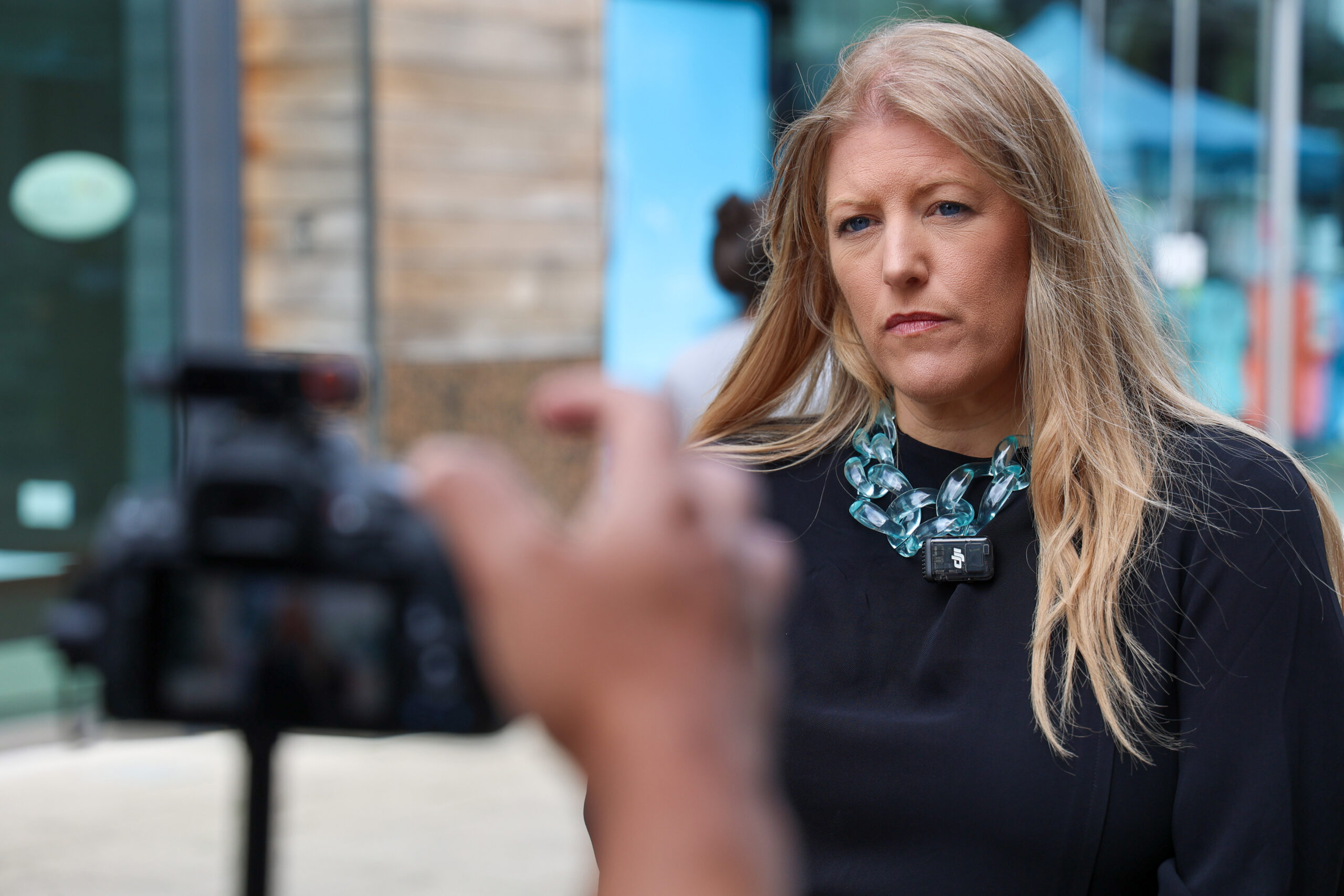
Donna Jones, Police and Crime Commissioner for Hampshire and the Isle of Wight, has issued an urgent call to the Home Office to confirm funding for critical perpetrator intervention services.
The Commissioner has warned continued uncertainty is putting lives at risk.
Last year, the Commissioner allocated £11million for vital victim and perpetrator programmes. A significant amount of this funding was secured from the Ministry of Justice and the Home Office to support local initiatives.
The Ministry of Justice confirmed funding for victim services last week, just three weeks before Christmas. The delay has already caused chaos for providers at the very time domestic abuse incidents typically spike.
Meanwhile, the Home Office has yet to confirm funding for perpetrator programmes for the next financial year. The services are essential to tackling abusive behaviour and preventing repeat offending.
Police and Crime Commissioner Donna Jones said: “This uncertainty is unacceptable.
“These programmes deliver specialist interventions for domestic abuse and stalking perpetrators, designed to reduce reoffending and ultimately protect victims.
“Without urgent funding confirmation from the Home Office, services will close, referrals will stop, and dangerous individuals will go unmanaged and unchecked.
“That puts victims at greater risk and seriously undermines the government’s own pledge to halve violence against women and girls.”
The Commissioner has written to the Home Secretary to demand urgent funding certainty for perpetrator programmes to keep Hampshire and the Isle of Wight safe.
Previous Home Office funding enabled the Commissioner to fund the Multi-Agency Stalking Partnership (MASP) with Hampshire & Isle of Wight Constabulary, South Central Probation Service, NHS Healthcare Trust, and Stop Domestic Abuse. The initiative delivers psychologist-led interventions for stalking perpetrators alongside enhanced victim support.
The approach has been awarded the Alice Ruggles Trust ‘Working Together’ award and internationally recognised, consulted by the Northern Ireland government and visited by the New Zealand Ministry of Health.
Dr Kirsty Butcher, Chartered Principal Clinical Psychologist and Clinical Lead for the Multi-Agency Stalking Partnership, commented:
“Hampshire and Isle of Wight Healthcare’s input into the Multi-Agency Stalking Partnership is internationally recognised as a model of excellence in stalking intervention.
“Future investment will support: a continuation and expansion of clinical, evidence-based interventions across the criminal justice system; multi-agency collaboration; and strategic leadership – delivering substantial savings to the criminal justice system and, most importantly, safeguarding victims and the public.
“It is right to conclude that, without a commitment to continued funding, we will see the loss of a key contributor to the multi-agency approach – and the wealth of health and risk assessment expertise the team brings, which benefits the police, probation services, victims and offenders. We are also likely to see a higher long-term cost to the criminal justice system, as the root causes of re-offending are not addressed.”
In one year alone (2024/25), Hampshire and Isle of Wight Healthcare’s MASP team delivered:
- 63 evidence-based interventions with stalking offenders (providing psychological interventions and psychiatric assessment of highly complex recidivistic stalking cases, to address the root cause of stalking which custody alone cannot do). Preliminary evidence suggests that completion of the psychological interventions results in a reduction in risk factors associated with reoffending.
- 51 resource allocation panels, and the processing of 632 cases (providing up-to-date information on each case with regards to mental health, risk of stalking, suicide risk and typology, to enable the police to accurately risk assess and inform safeguarding).
- 9 stalking clinics (providing bespoke advice to police officers on complex investigations at point of need, including tips for interviewing and safeguarding).
- 88 consultation and risk assessments (providing additional advice on complex cases to police and probation).
- 36 psychiatric liaisons/medico-legal advice (regarding mental health-related risks, fitness to interview, sentencing, and improving outcomes).
The service is now at risk without immediate clarity.